Shooting Beauty
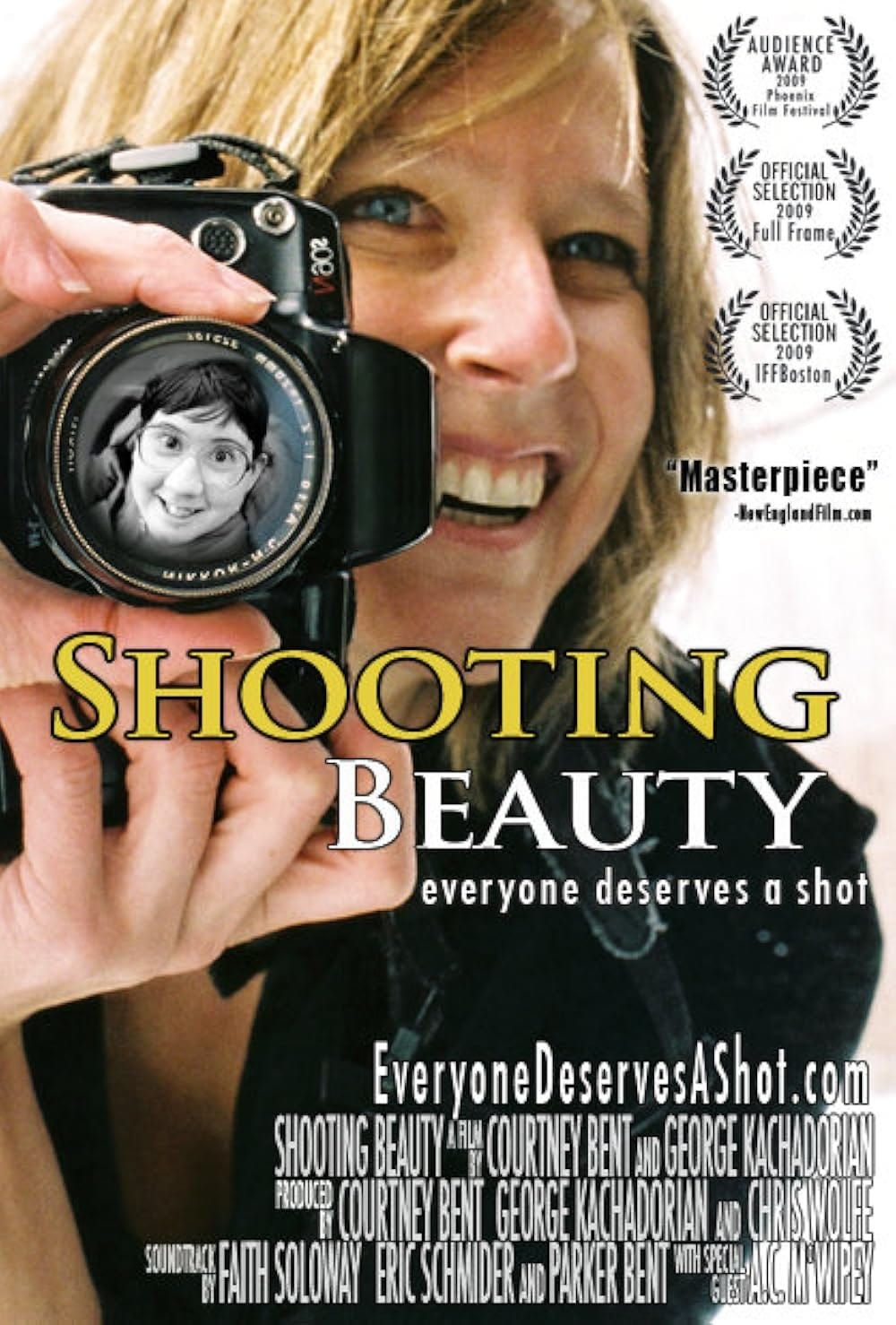
When your entire career, enforced from childhood, is about photographing people of physical beauty, one wouldn’t think that you would stray from that world. But director Courtney Bent did just that and took us along for the ride as well with her documentary, co-directed with George Kachadorian, SHOOTING BEAUTY.
Courtney and George take us into a world inhabited by people with severe physical disabilities who have been relatively alienated by the world outside their apartments or group centers. Typically they have to deal with not only their own handicaps but also the scorn and derision of the average people on the street. What the directors of this documentary do however is two-fold. First they show you the world that these people have carved out for themselves. They show a world of love, laughter, heartache, longing, and sometimes sadness. But rarely do any of these people come off as angry, bitter, or resentful of their situations, in fact many of them seem to embrace their lot in life and life like everyone else. They have setbacks, but that doesn’t stop them from falling in love, getting married (or divorced in some cases), and going out to shows. The other half of what this movie shows is the camera flipped on us, the general populace. They take pictures of our reactions to them, our stares and ultimately our shame. They also turn the cameras on each other, ultimately bringing out each of their unique personalities and standing in a stark happy contrast to how they are viewed publicly.
The lens is focused on the relationships of Courtney and her subjects. At almost no time does the POV turn on the directors for their opinion or intrude on their lives. They merely report what they see and focus on the myriad faces behind their own cameras. We see the world in a flutter of stills from their eyes. We see pictures of their home-lives, their loved ones, and the people and places they see every day on their travels. When Courtney goes to try to find a space to showcase this artwork, someone makes the comment of “who would want to see that”. They saw the art as depressing. When we see the gallery, they finally end up with, and all the photos hung on the wall, if could be argued “who WOULDN’T want to see that?”. Not only were many of the pictures genuine works of art, but generally showcased the jovial nature of these people that is generally hidden from public view, either through our own apathy or due to their impairments.
The directors certainly took an interesting subject that would make many people uncomfortable and turned it into a snapshot into the lives of who aren’t living with handicaps but living despite their handicaps. It’s a film that asks the viewer not to think, but to feel, something which is fairly uncommon in most films.