
In Good Conscience
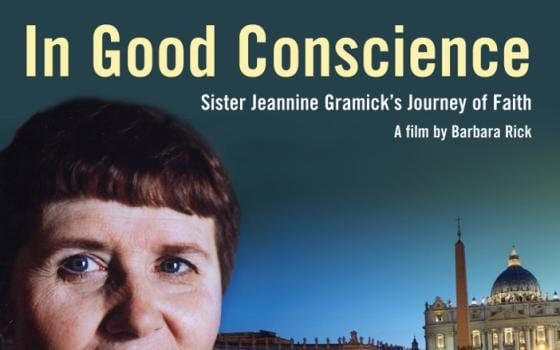
Taking sides on any issue involving faith (Catholic or otherwise) is always difficult because there is always some sort of blowback from those on the left or the right who don’t agree with your decision. Sister Jeannine Gramick, while a polarizing figure within her faith, is probably one of the most balanced people shown in this documentary that follows her advocacy of gay and lesbian rights in the Catholic church. History has shown that the church has always been less than tolerant of the gay and lesbian community. Religious zealots often campaign heavily to block the rights of the GLBT community. This documentary by director Barbara Rick shows that a woman of the cloth can stand for what they believe in despite threats of excommunication, personal prying from reporters, and harassment from ignorant picketers. Sister Gramick handles every bit of onslaught with a calm and solemn dignity rarely seen in people today.
This film, shot beautifully by documentary veteran Albert Maysles (The Beales of Grey Gardens), gives glimpses into the hearts of various people and groups. It gives a funny understanding at the inner workings of today’s Roman Catholic Church, showing how they order silence of their flock whom they deem inappropriate, citing their voluntary vow of obedience as the only real reason why they should obey. It is the ecclesiastical equivalent to a parent telling a child not to do something because “I said so”. The movie looks into the center of the gay and lesbian community showing that they want to be a part of the Catholic faith, and that they feel excluded from that part of society. It even looks at the general populace who ask Sister Gramick how she can maintain her faith in the church despite their actions against gays and lesbians. It also shows the tireless efforts of this woman and the friends and family that surround her to bring understanding and peace to an argument that has raged for well over two thousand years. Even when faced with people who vehemently disagree with her viewpoints, they still respect her enough to pray with her (check out one scene in particular where Sister Gramick has a discussion with a flustered picketer, only to end up saying the “Our Father” prayer with him minutes later).
The documentary isn’t very intrusive to the viewer. It doesn’t follow Sister Gramick everywhere and certainly seems to keep a respectful distance even to her home life. It does the typical documentary thing where it shows the subject from a very young age and follows her to where she is now. While a very predictable style of film, it also leaves a mystery or two for the audience to ponder. One little bit of information that is asked multiple times but never given is Sister Gramick’s actual sexual orientation. Rather than come out as straight or as a lesbian she instead attempts to focus on the issues, maintaining distance from any personal identity feelings she might have about the matter.
All throughout the film we see a many sides to the Catholic church, but the best side we see is Sister Gramick. She shows an understanding and humor of modern times that is generally not shown by what is generally considered an antiquated institution. She embraces old rituals with new ideas and seems to get along with people all over the world both young and old. The biggest complaint I had about the documentary as a whole was that I would have liked to have seen her journey come to some sort of an end. We don’t know whether or not Cardinal Ratzinger (now the current Pope) read the book and note she left for him, and we certainly don’t know of any further price she has paid for her years of outcry against church doctrine and policy. An extra ten- or fifteen-minute wrap-up at the end would probably have made this a near-perfect documentary.