A Short Film About Letting Go
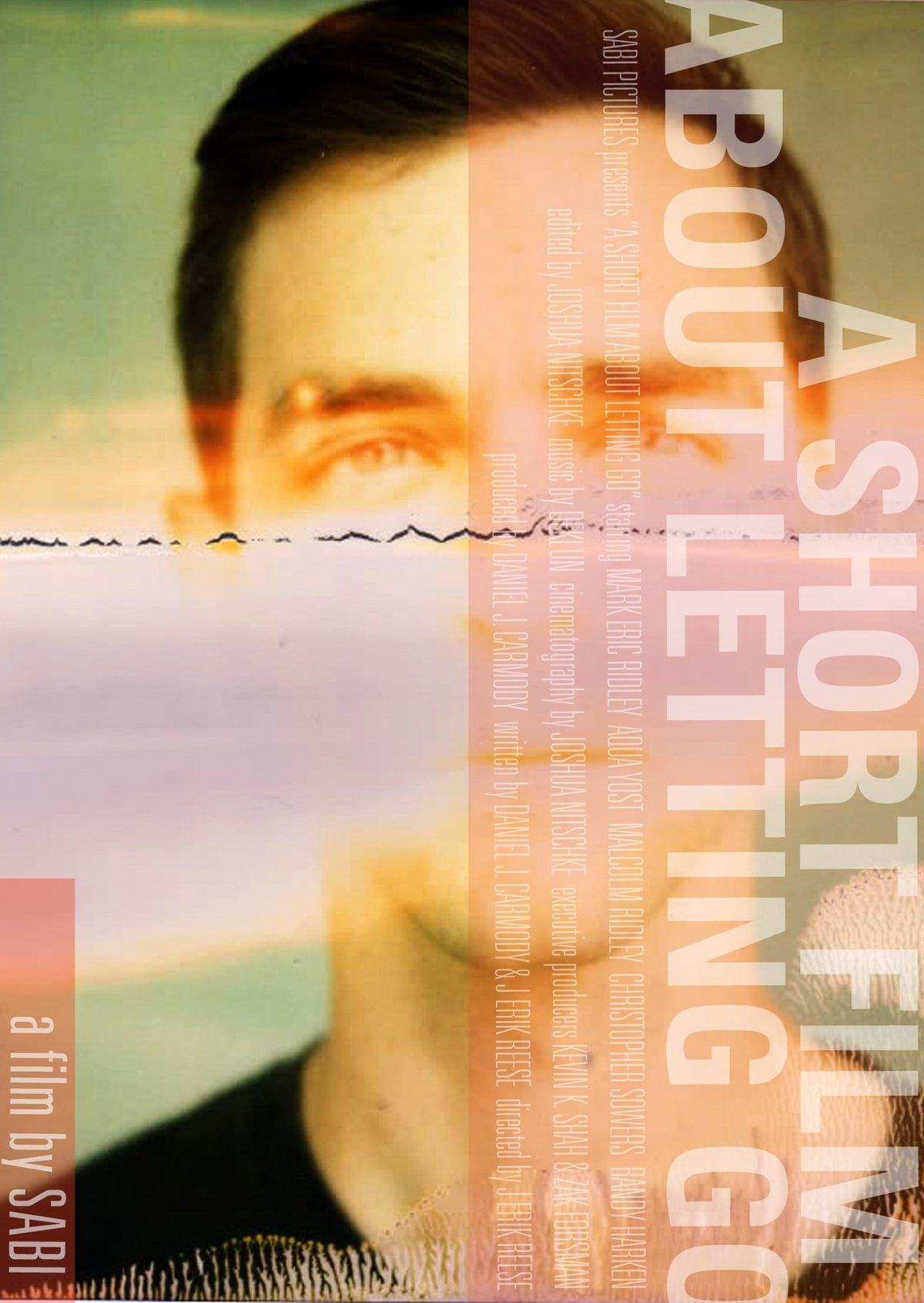
This short film by J. Erik Reese, revolving around two separate stories makes use of multiple types of cinematography including a hand-held cam in the first part of the movie, with constant change of depth of field to distinguish the anguish the main characters are feeling, and a more traditional style in the second half of the film that echoes more traditional cinema.
The constant change of focus in the beginning story along with the imagery of the character’s obsession with photography only serves to strengthen the theme of this “snapshot in time” that we are seeing between these two people. Whether or not we are seeing the ending of a relationship (the “letting go” being the breakup) or the admitting of love from one character to another (the “letting go” of fears and emotions) is not made crystal clear, but we can surmise the conflict by the female character’s face and actions.
The second part of this short film focuses on the relationship between an estranged father and son. While not entirely clear what the details of the conflict are, the audience can infer that the father has had a history of running away from his problems, including his children, and is now trying to reconcile with a little boy that doesn’t know how to deal with his father, so he ignores him (he has in fact, let him go from his life, fitting the theme of the movie). The interesting part of this is the turn of play that the characters are experiencing. The father is begging for some sort of reaction from the boy but receiving none, which is what the boy got when he came home to an empty house when his father was away.
While it could be said that this film is very niche and hard to follow because it just throws the audience into the film with no knowledge of the characters (the film does not even use names), it does have some great dialogue, interesting visuals, and complex emotional depths. This film as a short is a delightful little nugget, but a style that probably could not carry over to a full-length feature, although I’d be tempted to watch it anyway.