Catfish
by Mesh Flinders
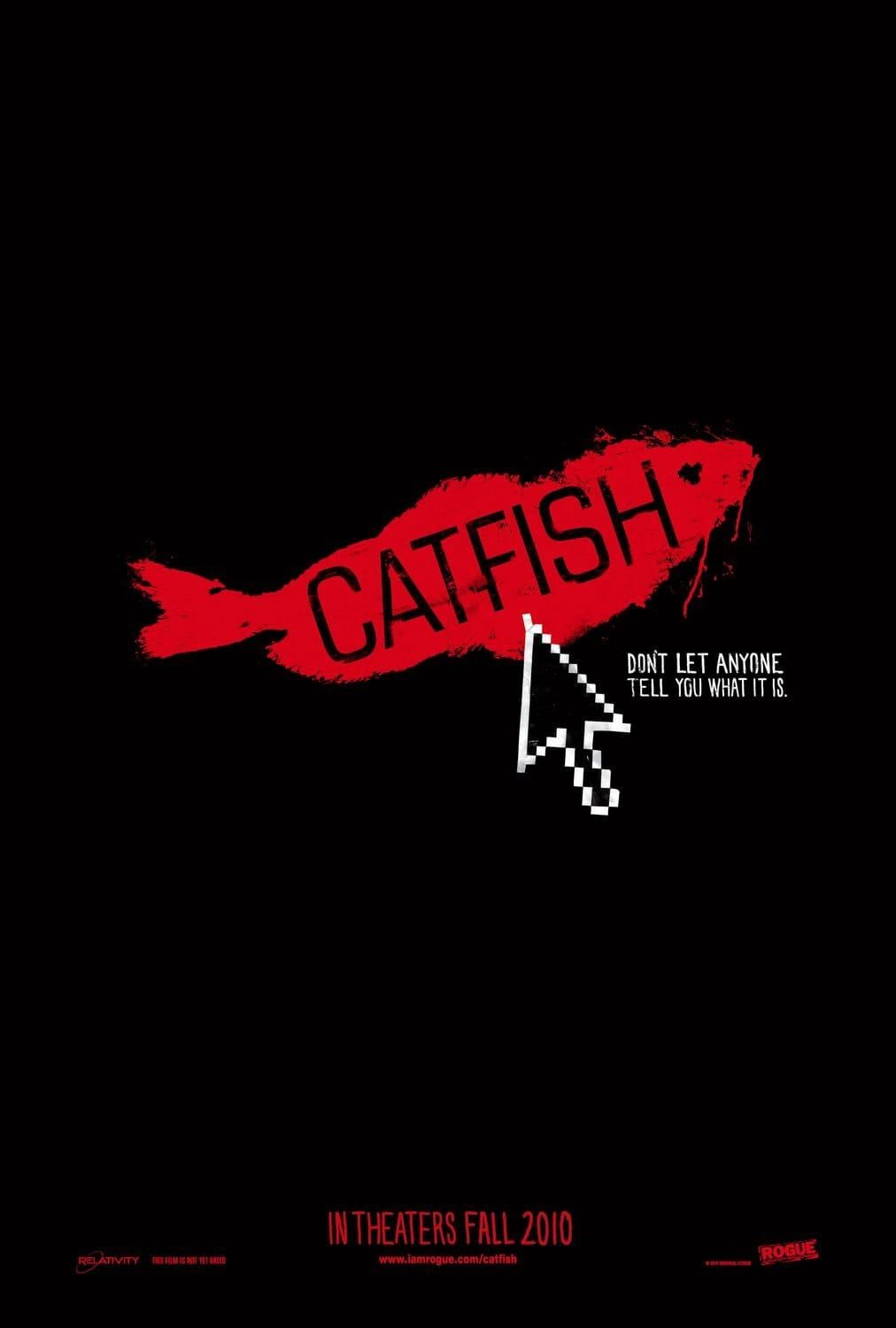
In CATFISH, a new mock (or not) umentary by Henry Joost and brothers Nev and Ariel Schulman, a struggling filmmaker embarks on a quest to find out the truth about a girl he’s met on Facebook; An engaging premise if, for no other reason, because it prods and pokes (no pun intended) at the social network in ways “the other Facebook movie” didn’t. Namely – how much of anything anyone puts up there is real?
The narrative in CATFISH is a relatively simple take on boy meets girl that’s been adjusted for the Social Media Generation. Nev, a photographer in New York starts to receive paintings of his photographs from Abby, a ten-year-old Facebook friend who lives in Michigan. Through Facebook, Nev “meets” other members of Abby’s family including her mother, father and older sister Meghan, whom he starts to talk, text and sext with. On a trip to Colorado, Nev and his two friends become suspicious of Abby and Meghan’s identity when they learn that some of what they’ve been posted to their Facebook profiles is fabricated. They decide to take a trip to Michigan to find out how deep the rabbit hole goes.
When they arrive in Michigan, Nev and his pals learn that Meghan and Abby are both inventions of a middle-aged housewife named Angela. There is a ten-year old daughter named Abby, but she’s never painted anything in her life. Up until this point, I was wholly caught up in the story, even if I thought Nev’s most surprised moments seemed re-enacted. From this point on however, the portrayal of Angela and her family lacked crucial sensitivity. For one, the reasons why she created a fictional life for herself online – and the risks she took involving her real children in it – are never adequately explored. The resulting portrait of Angela is of a frustrated artist who once harbored dreams of being a successful painter and gave them up to have a family, when every glimpse we get of her hints at something far more elusive and complex than that.
But that interpretation is only valid if you take the film at face value, and I think that if you do you are missing most of the fun. The filmmakers claim they want us to take their word that Angela made the whole thing up, that Nev fell for it (until he didn’t) and that they have both expanded each other’s worldviews a bit by the end, but what if, instead of beginning with a Facebook friend request from a ten year old girl-painter-prodigy, CATFISH began over beers in a loft, probably in Bushwick, with a conversation that went something like this:
NEV (trolling Facebook): You know if you right click and “save image as” you could re-upload a picture of someone and say it’s someone else.
HENRY: You could totally do that.
ARIEL: What if you did that? Like, what would happen?
NEV: You could create as many fictional profiles as you wanted and as long as you didn’t friend the real people, no one would know the people you had created weren’t real.
HENRY AND ARIEL (together, with passion): Let’s do that!
NEV: No, let’s make a movie about somebody doing that.
Okay, maybe it was a bit fewer social media wonky than that but, if you asked me to put money on it, I’d bet the barn they made the whole thing up. And why should they tell the truth about it now? The more they deny it, the more interesting the conversation gets. Full disclosure, before I reviewed films I co-created a web-series called “Lonelygirl15″ that covered some of the same ground as CATFISH. There was a girl who wasn’t who she said she was, there was a debate in the press about how much or how little of it was real and there was pressure for my partners and I to “come clean.” In our case we sort of had to, among other pressures, the show took place in my bedroom which I wasn’t wild about keeping decorated like a 15 y/o girl’s for the rest of my life so unless we had gone radio silent – which would have been no fun for anyone – we had to come out from behind the curtain. But Brothers Schulman and Mr. Joost have no such problem, the more adamantly they deny their film is a false document, the more fun debating it gets. Which is sort of what makes the film the perfect critique of Facebook in the end because, like all the stuff people post to their pages, who knows what’s real?